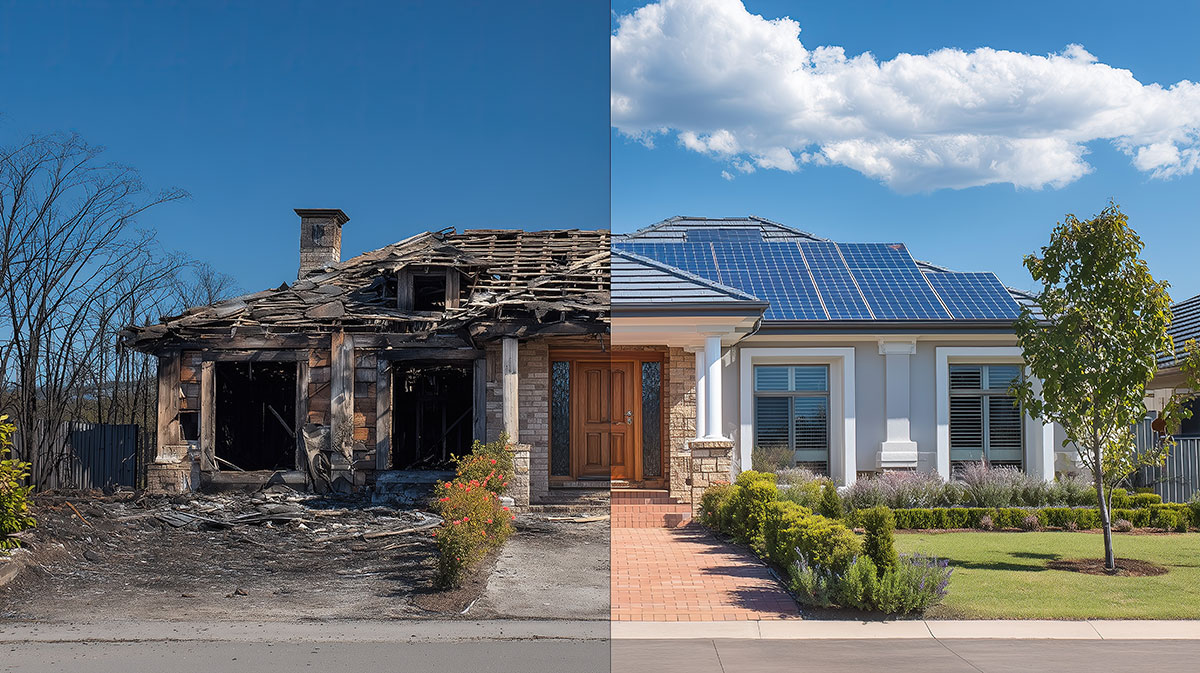
When people think about major disasters, they usually picture the immediate damage. Flooded buildings. Burned structures. Torn roofs. Broken windows. But what many people do not see is what happens after the disaster.
That is where the real work begins.
I have spent more than 24 years working in insurance, restoration, and consulting. During that time, I have seen how complicated recovery projects can become after fires, hurricanes, floods, and other catastrophic events. I have worked as a claims adjuster, restoration professional, consultant, and project auditor. Those experiences gave me a front-row seat to how large losses are handled and why independent oversight matters.
Today, I work as a Senior Consultant with Bower Group. A large part of my role involves helping insurance carriers, contractors, and property owners navigate complex restoration projects. One thing has become very clear over the years. Independent damage consultants are more important now than ever before.
Disaster Recovery Has Become More Complicated
The restoration industry has changed a lot since I first started in insurance claims during the 1990s.
Back then, projects were often more straightforward. There were fewer layers involved, fewer outside vendors, and less technology tied into the process. Today, almost every major commercial loss involves multiple contractors, engineers, consultants, adjusters, and specialists working together under tight deadlines.
Costs have also increased significantly.
Construction materials are more expensive. Labor shortages continue across many trades. Timelines are tighter. Building systems are more advanced. Even something as simple as water damage can become a major issue when modern electrical systems, HVAC equipment, or specialized materials are involved.
When you combine all of those factors, mistakes become very costly.
That is one reason insurance carriers increasingly rely on independent consultants during large losses. They want experienced professionals who can objectively assess the damage and help keep projects moving in the right direction.
Why Objectivity Matters
One of the biggest advantages of an independent consultant is neutrality.
Our job is not to sell restoration services. Our job is not to inflate damages or minimize them. We are there to assess the situation honestly and provide accurate information.
That sounds simple, but during major disasters, there can be a lot of pressure from different sides. Contractors may want to move quickly. Property owners may be overwhelmed. Insurance carriers need reliable numbers to properly evaluate the claim.
An independent consultant helps bring structure and balance to that process.
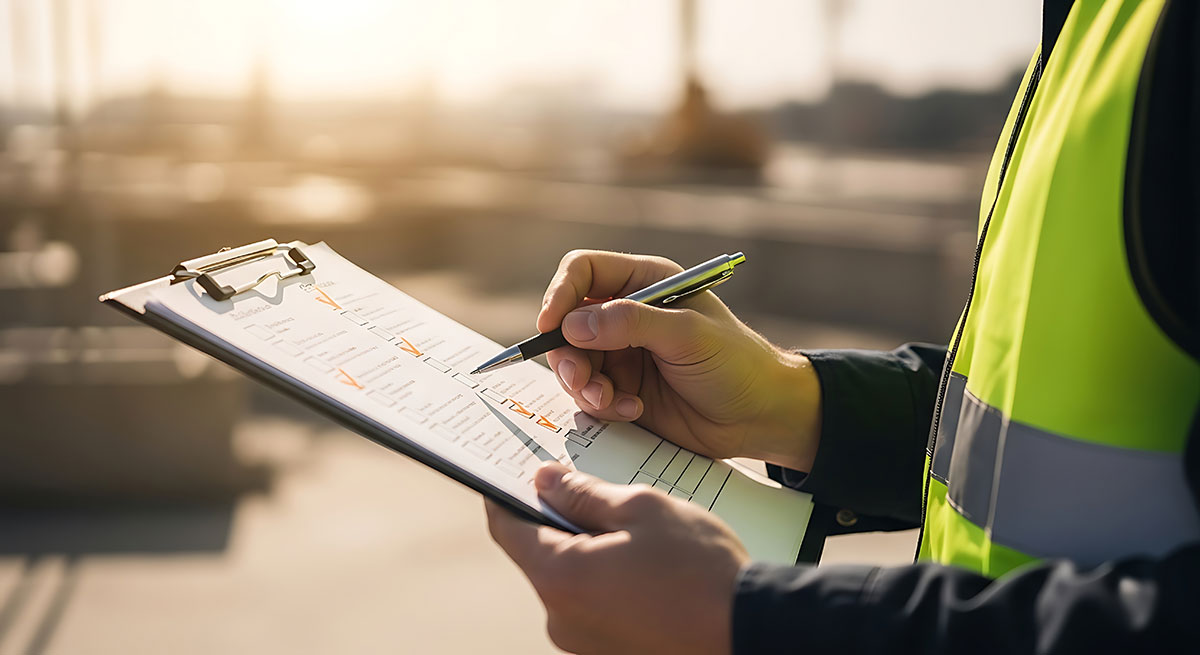
A large part of what I do involves reviewing repair scopes, auditing estimates, comparing pricing, and evaluating whether the proposed work actually matches the damage. Sometimes that means identifying missing items. Other times it means questioning unnecessary work.
The goal is accuracy.
I always tell people that good consulting is about getting the project right, not making it bigger or smaller than it needs to be.
The First Few Days Matter Most
One thing many people underestimate is how important the first 48 to 72 hours are after a disaster.
That early stage often determines how successful the recovery process will be.
If documentation is poor, problems can persist for months. If moisture is not handled correctly after water damage, mold issues can develop later. If repair scopes are rushed, contractors may miss critical items that create delays down the road.
Independent consultants help establish organization early in the process.
We document conditions, evaluate the extent of damage, review mitigation efforts, and help create realistic repair plans. In large commercial losses, that coordination becomes extremely important because so many parties are involved simultaneously.
I have worked on projects involving hospitals, courthouses, sports facilities, warehouses, and educational buildings. In many of those situations, there are millions of dollars at stake and very little room for error.
That is why experience matters.
Experience Creates Better Decisions
One thing that has helped me throughout my career is working on multiple sides of the industry.
I started as a claims adjuster with Kemper Insurance and Liberty Mutual. Later, I moved into restoration and consulting roles with companies like Belfor USA, Munters Corporation, Response Team 1, and Young & Associates.
That background allows me to understand the perspectives of contractors, adjusters, consultants, and property owners.
It also helps me identify issues before they become larger problems.
For example, I can often look at a repair estimate and quickly determine whether the scope is realistic given the actual damage. That only comes from years of field experience and exposure to different types of losses.
I have also learned that communication is one of the most important parts of the job.
Large disasters create stress for everyone involved. Property owners want answers. Insurance carriers need accurate information. Contractors need direction. When communication breaks down, delays and disputes usually follow.
Good consultants help keep everyone focused on the same objective.
Technology Is Changing the Industry
Technology has also significantly changed restoration consulting.
Today, we use advanced moisture mapping, digital estimating platforms, thermal imaging, drones, and detailed documentation systems that were not common years ago. Those tools can improve accuracy and speed up the recovery process.
But technology alone is not enough.
You still need experienced people who can interpret the information correctly. A moisture reading or thermal image only matters if the person reviewing it understands what it means for the building and the restoration plan.
That human experience is still critical.
The Industry Will Continue to Evolve
I believe independent consulting will continue to play a larger role in disaster recovery.
Weather events are becoming more severe in many parts of the country. Commercial buildings are becoming more complex. Costs continue rising. At the same time, insurance carriers and property owners are under pressure to make informed decisions quickly.
That environment increases the need for objective professionals who can evaluate projects carefully and provide reliable guidance.
At the end of the day, restoration work is about more than repairing buildings. It is about helping businesses, institutions, and communities recover after difficult events.
That responsibility should never be taken lightly.
After more than two decades in this industry, I still believe the most important part of the job is simple. Pay attention to the details. Communicate clearly. And always focus on doing the work the right way.