When people hear the title “Clerk of the Works,” they do not always know what the role involves. Even within construction and restoration, the responsibilities can vary depending on the type of project, the property, and what the owner needs. From my perspective, the role is largely about being present, understanding what is supposed to be happening, observing what is actually happening, and making sure the owner has an accurate picture of the work as it progresses.
That may sound fairly straightforward, but construction projects rarely unfold exactly as they appear on paper. Plans and specifications set expectations, schedules provide a roadmap, and progress meetings give everyone a chance to discuss where things stand. All of that information is valuable, but none of it completely replaces being on the site and seeing the work firsthand.
After years of working around restoration, construction, insurance claims, and property damage, I have learned that there is often a meaningful difference between understanding a project from its documentation and understanding it from the field. A Clerk of the Works helps bridge that gap.
Understanding What Should Be Happening Before Evaluating What Is Happening
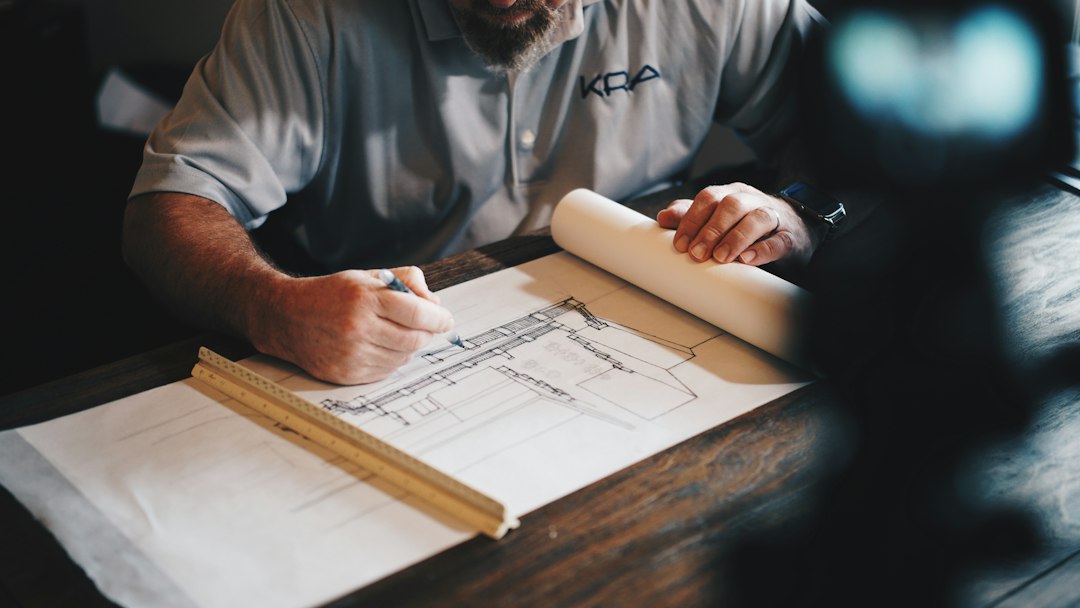
Before I can make a useful observation about work in the field, I need to understand what the project calls for. That means becoming familiar with the plans, specifications, schedule, and other relevant information so that I have context when I walk the site.
Once I understand those expectations, I can begin comparing them with what I actually see. I am looking at whether the work appears to be progressing according to plan, whether the materials being used are consistent with what was expected, and whether there have been changes since my previous visit. I also pay attention to sequencing because the order in which work is performed can sometimes be as important as the work itself.
This process involves judgment because construction does not happen under perfect conditions. Unexpected issues arise, schedules change, materials can become unavailable, and contractors sometimes need to adjust their approach based on conditions they discover once work begins. A difference between the plans and what I see in the field does not automatically mean there is a problem.
The important thing is understanding why that difference exists. If something has changed, I want to know whether the change was intentional, whether the appropriate people know about it, and whether it affects another part of the project.
Small Observations Can Matter Later
Some of the things I pay attention to on a job site might not seem particularly significant in the moment. A material may look different than expected, an area may be progressing faster or slower than anticipated, or work may be happening in a different sequence than what was originally discussed.
The difficult part is deciding when something is simply a normal field adjustment and when it deserves additional attention.
You do not want to interfere with a project unnecessarily. Contractors need room to perform their work, and stopping to question every minor detail would not be productive. At the same time, experience has taught me that it is usually easier to ask a reasonable question today than to discover several weeks later that something should have been addressed differently.
I try not to walk onto a site looking for mistakes. Instead, I look for things I need to understand. If something does not make sense to me, my first reaction is usually to ask why it is being done that way. There may be a perfectly reasonable explanation that I did not have when I first observed it. If not, asking the question gives everyone an opportunity to address the issue before the project progresses further.
Construction Does Not Wait for You to Come Back
Timing is one of the biggest reasons consistent site observation matters. Construction can change remarkably quickly, particularly when several trades are working at the same time.
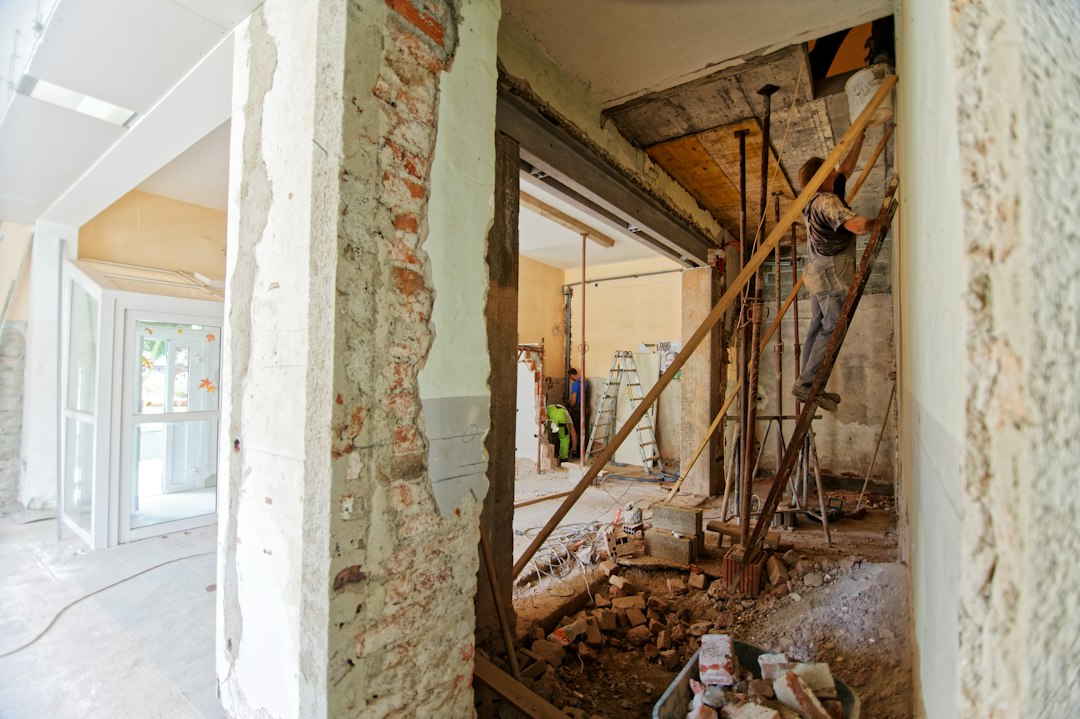
Something that is completely visible during one visit may be covered by drywall, insulation, flooring, equipment, or another finished surface the next time you return. Once that happens, confirming exactly how something was installed or what conditions existed beforehand becomes much more difficult.
This is one reason I value documentation so much. Photographs, notes, and progress records create a project history everyone can refer to later. I do not consider documentation paperwork for its own sake. It becomes especially useful when a question arises weeks or months after the work was completed.
People naturally remember conversations and events differently. I have been doing this long enough to know that I should not rely entirely on my own memory either. A photograph or written record from the day the work occurred can often resolve a question more effectively than trying to reconstruct events several months later.
Good Oversight Should Not Create an Adversarial Job Site
There can be a perception that independent project oversight means someone is walking around waiting to catch a contractor doing something wrong. I have never thought that was a particularly productive way to approach the role.
Most of the contractors and tradespeople I have worked with want to complete quality work and keep the project moving. The owner wants the same thing. Ideally, everyone involved is working toward a successful outcome even though they may have different responsibilities along the way.
That does not mean avoiding difficult questions. A Clerk of the Works still has a responsibility to observe objectively and raise concerns when something requires attention. However, there is a significant difference between asking questions to understand and approaching every conversation as though someone has done something wrong.
I have found that good working relationships actually make oversight more effective. When people know you’ll be fair, consistent, and willing to listen, they are generally more comfortable explaining what is happening. That creates better conversations when a legitimate concern does need to be addressed.
Industrial Projects Bring a Different Set of Considerations
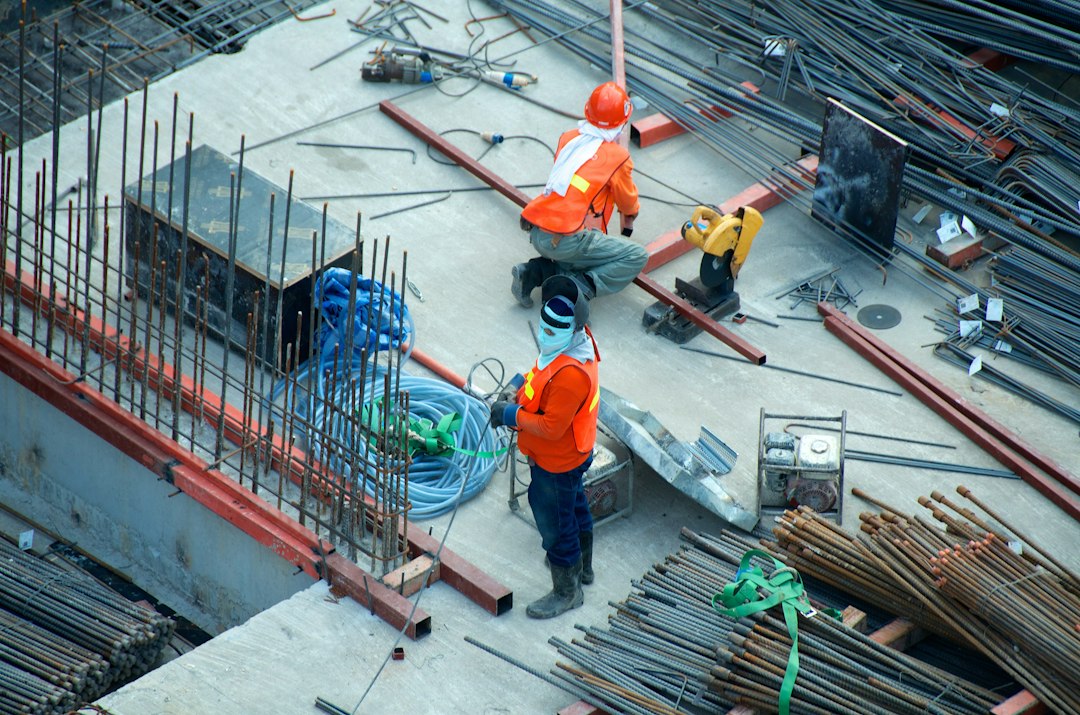
Industrial settings can add another level of complexity because construction may be taking place while the facility continues operating.
In those situations, I am not only thinking about the construction itself. I also have to understand what is happening around it. Employees may still be working nearby, equipment may need to remain accessible, production schedules may have to continue, and certain areas of the facility may only be available for construction during specific windows.
That creates trade-offs that are not always obvious when looking at a project schedule. The fastest way to complete a particular portion of construction may not be practical if it significantly disrupts operations. A technically reasonable approach may need to be reconsidered because of what is happening elsewhere in the facility.
Those situations reinforce why communication and observation have to work together. Understanding what is happening in the field matters, but understanding how that work affects the larger operation matters just as much.
Consistent Observation Creates Context
The biggest advantage of observing a project consistently is that you begin to understand it as a progression rather than a series of individual snapshots.
Someone can visit a job site once and provide an accurate description of what they saw that day. What they cannot necessarily know is what changed since the previous week, which questions were already raised, whether those concerns were addressed, or whether something that appears minor is becoming a pattern.
That context develops over time.
When I return to the same project regularly, I remember what an area looked like before the next phase began. I know what was discussed during previous visits and can see how those conversations translated into the work being performed. I can also identify changes that might not stand out to someone seeing the project for the first time.
In my experience, that is where much of the value of a Clerk of the Works comes from. The role is not about arriving on a job site and finding dramatic problems every day. Most of the time, it is much less dramatic than that.
It is about consistently showing up, understanding what you are looking at, documenting what is happening, communicating what you observe, and asking questions while there is still time to answer them. Over the course of a long and complicated project, those seemingly ordinary actions can make a meaningful difference.