There is something appealing about starting with a clean slate. With new construction, you have plans, specifications, a site, and a fairly clear picture of what you are trying to create. That does not make new construction easy. Plenty can change once work begins. Still, everyone is generally working toward something that did not exist before.
Restoration starts from a different place. The building is already there; it has a history, and something has disrupted it. A fire, water loss, or another event may have damaged only part of the property while leaving everything around it intact. The building may still be occupied or partially operating. Behind the walls are years of previous construction, repairs, renovations, and decisions that the current project team had nothing to do with.
I have spent much of my career working around property damage and restoration, first from the insurance side and later through restoration and consulting. One thing I have learned is that restoring an existing building requires a different mindset. You can plan carefully, but you also have to be ready to adjust your understanding of the project as the building reveals more information.
You Are Starting With Someone Else’s History
An existing building has already lived a life before you arrive.
It may have changed owners several times. Spaces may have been renovated for different uses. Mechanical systems may have been upgraded while other parts of the building remained untouched. Repairs may have been made after previous losses. Some of those changes will be documented well, and others may not be documented at all.
That history matters during restoration because the building you see on paper may not be exactly the building you find in the field.
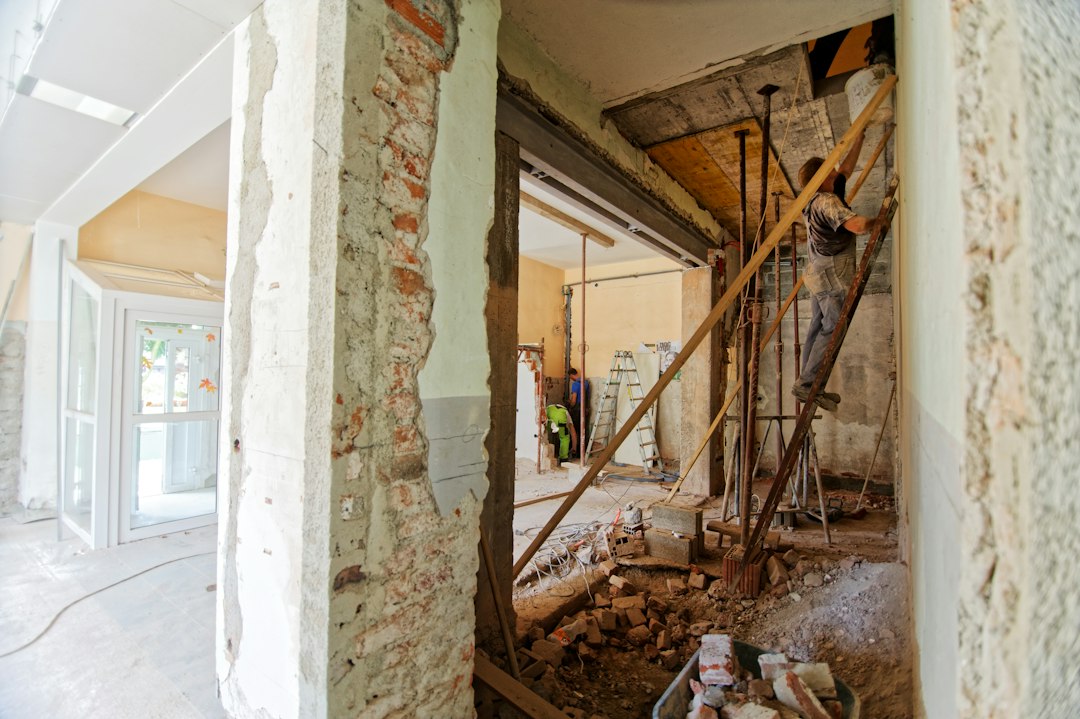
I have learned not to be particularly surprised when demolition exposes something unexpected. The surprise might be an old repair, a material nobody anticipated, piping running somewhere different than people thought, or evidence that an area was modified years ago.
The question is what you do with that information.
My instinct is to slow down long enough to understand it. Is this related to the current damage? Is it an existing condition? Does it affect the reconstruction? Who needs to know about it before work continues?
Those questions can be more useful than immediately deciding that someone must have made a mistake.
Demolition Often Changes What You Know
Before restoration begins, you can only see so much.
A finished wall hides what is behind it. A ceiling hides utilities and structural conditions above it. Flooring covers whatever is underneath. Until you remove damaged materials, parts of the building remain inaccessible.
That means the project team may know considerably more about the building two weeks into the work than they did when the original scope was developed.
This can be frustrating because people understandably want certainty. Owners want to know how long the work will take and what it will cost. Contractors need to schedule crews and materials. Everyone would prefer to have those answers established at the beginning.
The reality is that restoration does not always cooperate.
When new information appears, I think it is important to recognize the difference between poor planning and something that could not reasonably have been known earlier. Some situations could have been identified sooner with better investigation. Other times, nobody would have known what was behind a wall until it was opened.
Experience helps you recognize that distinction.
Previous Repairs Can Complicate the Picture
One interesting thing about existing buildings is that you are rarely looking only at the original construction.
You may be looking at the original building plus 20 or 30 years of repairs and modifications.
A previous owner may have renovated part of the property. A mechanical system may have been replaced. Water may have entered the same area years earlier and resulted in repairs. Materials from different periods may exist next to each other.
When I encounter something unexpected, I try not to assume that its history is obvious. I want to know whether anyone familiar with the building remembers what happened there. Maintenance personnel and facility managers can be especially helpful because they may remember repairs that never made their way into the records available to the current project team.
Verify that information when possible. Someone saying, “We fixed that ten years ago,” is useful context, but it is not necessarily the end of the investigation. Memories fade, and the person describing the repair may not have seen everything that was done.
Still, I would rather have that piece of the story than not have it.
The Building May Still Have a Job to Do
Restoration also becomes more complicated when the property cannot simply be emptied until construction is finished.
Commercial and industrial buildings exist for a reason. People work there. Equipment operates there. Customers, residents, or patients may depend on the space. Deliveries arrive. Production continues.
The construction project may be extremely important, but it is not always the only priority.
I have worked around situations where you have to think about what the contractor needs while also considering what the people operating the facility need. A sequence that’s easiest from a construction standpoint may create a serious problem for operations. Access that looks available on a drawing may be essential to employees during certain hours.
No universal answer exists for those conflicts. Sometimes construction has to adjust. Sometimes operations have to make accommodations. Usually, the better solution comes from getting the right people involved early enough to understand what each side actually needs.
There Is Pressure to Put Everything Back Quickly
After a property loss, people are usually tired of the disruption long before reconstruction is finished.
That pressure is real, and I understand it. If part of a building has been unusable for weeks or months, nobody wants to hear that another question needs investigating. Owners want their property back. Employees want their normal workspace. Contractors want to complete the project.
The danger is allowing that understandable urgency to turn into unnecessary haste.
As reconstruction progresses, work begins disappearing behind walls, ceilings, floors, and finishes again. If there is an unresolved question, this is the point when I want to know about it. Spending a little more time while something remains accessible can be inconvenient, but reopening finished construction later is usually more inconvenient.
At the same time, I do not believe every question should stop a project. Part of experience is learning which conditions deserve more attention and which ones have reasonable explanations that allow the work to continue.
That judgment is rarely as neat as a checklist makes it sound.
Returning to Normal Is About More Than Finishing Construction
One of the biggest differences between restoration and new construction is how you define the finish line.
On a restoration project, success is not simply completing a set of repairs. The larger objective is getting the property back to a condition where people can use it again.
That can involve much more than making the building look finished. Systems need to function properly. Outstanding work needs to be addressed. Operations may need to move back into affected areas. Documentation has to be completed. Temporary arrangements that were put in place after the loss need to be unwound.
The closer a project gets to completion, the easier it can be to focus on appearance because that is what everyone can see. Fresh paint and finished walls create a strong sense that the end has arrived. I have learned to keep asking what remains beyond what is visible.
Restoration Requires a Little Humility
After more than two decades around property losses, I am comfortable saying that existing buildings can surprise you.
Experience helps because you begin to recognize patterns and know where questions are likely to arise. At the same time, experience should make you a little more cautious about assuming you already know what you’ll find.
That may be the biggest difference for me between thinking about restoration and thinking about new construction. You are not simply creating what comes next. You are working with everything that came before it.
The building has a history, the damage has created new conditions, and the people using the property want to get back to normal as quickly as possible. Good restoration work has to account for all three.