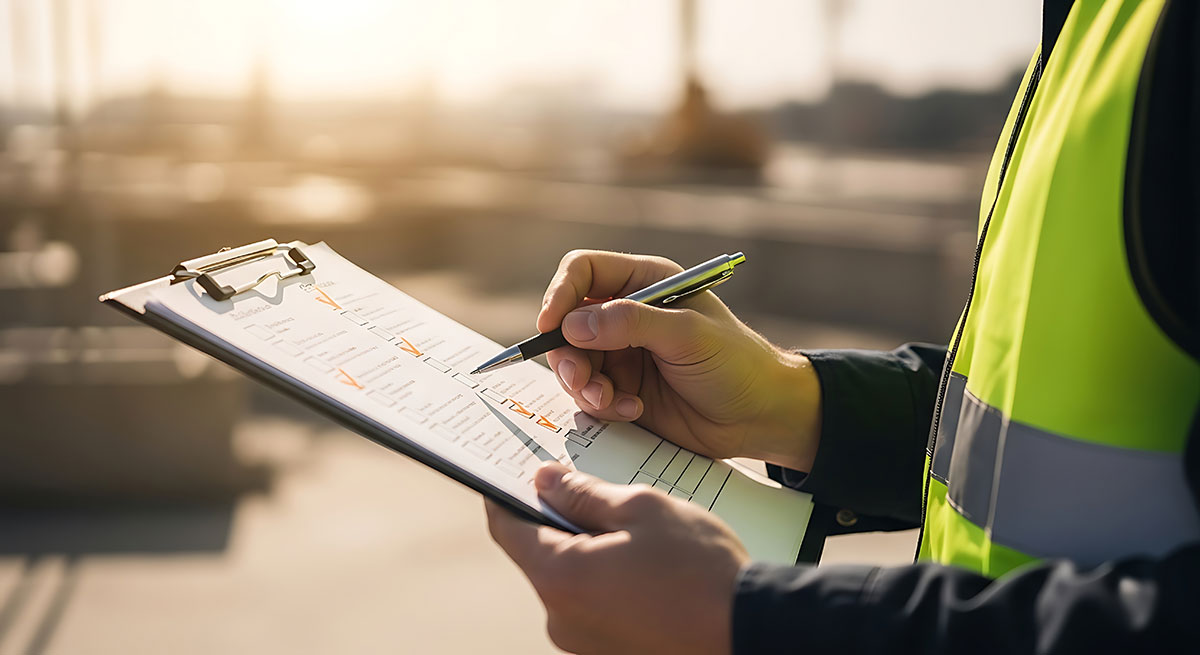
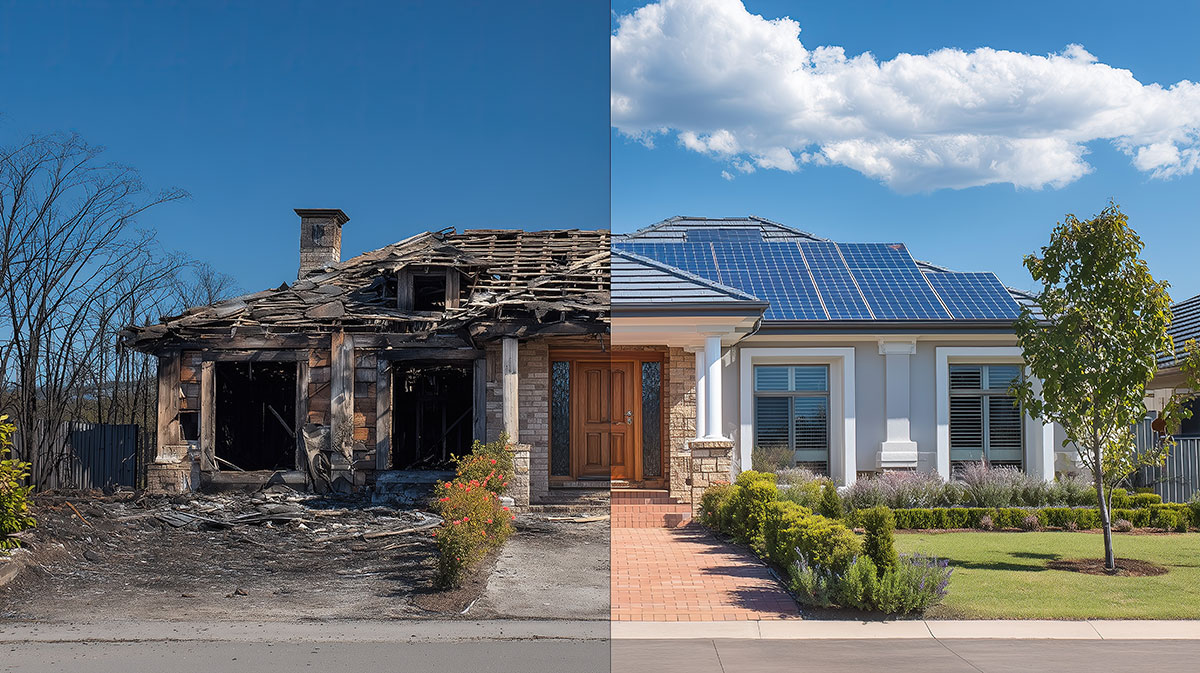
When I first started working in insurance claims during the 1990s, the process looked very different from what it does today.
Back then, claims were often simpler. Buildings were less complex. Documentation was mostly paper-based. Contractors, adjusters, and consultants relied heavily on field experience and direct communication. Technology played a much smaller role in the process.
Over the last 20 years, I have watched the industry change from nearly every angle. I started as a claims adjuster and later moved into restoration, consulting, estimating, and auditing. That experience gave me a unique perspective on how fire and water damage claims have evolved over time.
Some changes have improved the industry. Others have created new challenges. But one thing is certain. Today’s claims environment is far more complex than it used to be.
Buildings Are More Complicated Than Ever
One of the biggest differences today is the buildings themselves.
Modern commercial buildings contain advanced electrical systems, smart technology, specialized HVAC systems, and expensive materials that were far less common years ago. Even residential properties have become more complicated.
When a fire or water loss happens now, the damage often spreads beyond what people can immediately see.
For example, a water loss today may impact electronic systems, security infrastructure, communication wiring, and specialized insulation materials. A fire loss may involve smoke contamination in areas that never experienced direct flames.
That means restoration work requires much more detailed evaluation.
In the past, some losses were handled with more basic inspections and repair plans. Today, restoration projects often involve engineers, environmental specialists, moisture mapping, thermal imaging, and digital documentation.
The process has become much more technical.
Water Damage Claims Have Increased Significantly
Over the years, I have seen water damage claims become one of the fastest-growing areas in the restoration industry.
Water losses happen for many reasons. Frozen pipes, storms, plumbing failures, sprinkler discharges, roof leaks, and appliance malfunctions are all common causes. In commercial buildings, even a small leak can quickly become a major issue if it affects multiple floors or critical systems.
One challenge with water damage is that people often underestimate it.
With fire damage, the destruction is visible. With water losses, the damage is not always obvious right away. Moisture can move behind walls, under flooring, and into building materials, where it creates long-term problems if not properly addressed.
Twenty years ago, moisture detection technology was far more limited. Today, restoration professionals use advanced meters, thermal imaging cameras, and digital monitoring systems to track drying conditions and identify hidden moisture.
Those tools have improved the process, but they have also raised expectations for documentation and accuracy.
Insurance carriers now expect detailed records, drying logs, photographs, and moisture data throughout the mitigation process. That level of documentation simply was not standard years ago.
Fire Claims Now Require More Specialized Work
Fire claims have also changed significantly.
In the past, many fire losses were addressed primarily through structural repairs. Today, smoke contamination and environmental concerns play a much larger role in the recovery process.
Modern building materials burn differently from older materials. Synthetic products can produce more aggressive smoke and residue contamination that spreads throughout a structure very quickly.
That means restoration teams often need to address air quality, odor removal, electronics cleaning, HVAC contamination, and specialized content restoration.
The emotional side of fire losses has also become more apparent over time.
When people experience a fire, they are not only dealing with property damage. They are often dealing with disruption to their businesses, employees, operations, and daily lives. Commercial losses can impact entire organizations for months.
That is why communication has become such an important part of the claims process.
Technology Has Changed Nearly Everything
Technology has transformed the industry over the last two decades.
When I first started, most estimates were handwritten or completed using basic software. Communication happened through phone calls, fax machines, and physical paperwork. Site photos were developed manually.
Today, almost every part of the process is digital.
Estimating platforms now generate highly detailed repair scopes. Drones can inspect roofs and difficult areas safely. Thermal imaging cameras identify hidden moisture. Cloud-based systems allow adjusters, consultants, contractors, and carriers to share information instantly.
These tools have improved efficiency, but they have also increased pressure on everyone involved.
Claims move faster now. Documentation standards are higher. Expectations for response times are much greater.
At the same time, technology cannot replace experience.
A thermal image still requires someone who understands building science and moisture behavior. An estimate still requires judgment based on real-world restoration experience. Software is helpful, but people still make the decisions.
Costs Have Become a Bigger Issue
One of the biggest changes in recent years has been the rising cost of restoration and reconstruction.
Labor shortages, inflation, supply chain disruptions, and material pricing have all affected the industry. Large losses that may have cost a certain amount years ago can now cost significantly more.
That creates pressure on everyone involved in the claims process.
Insurance carriers need accurate reserve estimates. Property owners want projects completed quickly. Contractors face labor and material challenges. Consultants are expected to review pricing carefully and evaluate whether repair scopes are appropriate.
As costs continue rising, independent oversight has become more important.
A large part of my role today involves auditing estimates, reviewing scopes of work, and helping ensure projects stay realistic and properly documented. The goal is not to reduce necessary repairs. The goal is to make sure the work matches the actual damage.
Accuracy matters more than ever.
The Human Side Still Matters Most
Even with all the technology and industry changes, one thing has stayed the same over the last 20 years.
People still need trusted professionals during difficult situations.
Whether it is a business owner dealing with flood damage or a facility manager trying to recover after a fire, these losses create stress and uncertainty. Clear communication and honest guidance still matter just as much as technical knowledge.
That is something I learned early in my career as a claims adjuster and still carry with me today as a consultant.
The industry will continue evolving. Buildings will become more advanced. Technology will keep improving. But at the end of the day, successful claims handling still comes down to experience, accountability, and attention to detail.
Those fundamentals have not changed, even if everything around them has.